Dehydrated vs Dry Skin: How to Tell the Difference
They feel similar but they are not the same — how to tell dehydrated skin from dry skin, and why treating the right one changes everything.
By Oksana, Lead Lash Artist · Updated June 2026 · 7 min read
Written by the Luxury Lashes team and reviewed by Oksana, our studio owner and lead lash artist, drawing on years of hands-on experience serving clients in Federal Way, WA.
Dry and dehydrated skin feel almost identical — tight, dull and uncomfortable — but they are two very different things, and treating the wrong one will not help.
Getting this right is one of the most useful skills in skincare. At our Federal Way studio we explain the difference to clients every week, because once you know which you have, the fix becomes obvious. Here is how to tell them apart and treat each correctly.
The core difference: oil versus water
The simplest way to understand it is this: dry skin lacks oil, while dehydrated skin lacks water. That single distinction changes everything about how you treat it.
Dry skin is a skin type — it is how your skin naturally behaves, often for life. It produces fewer oils, so it tends to feel rough, flaky and tight all over, and it usually shows up across your whole face and body.
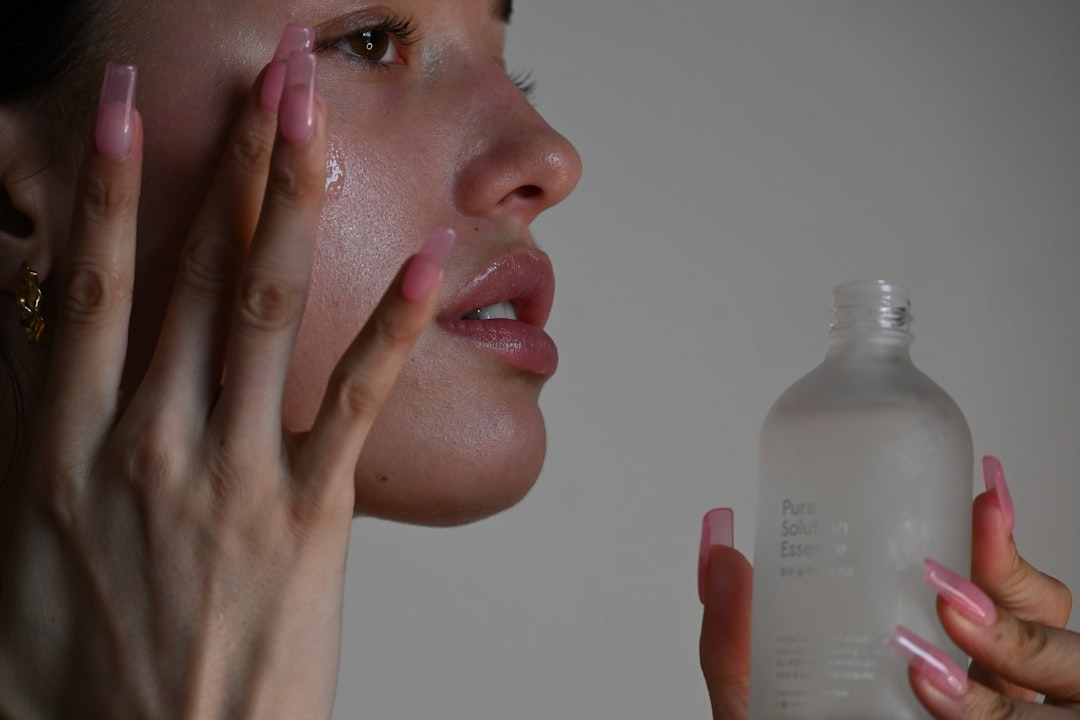
Dehydrated skin is a condition — a temporary state where your skin is short on water. It can affect any skin type, including oily skin, and it comes and goes depending on your habits, environment and the season.

How to spot dehydrated skin
Because dehydration can affect even oily skin, it is often misdiagnosed. Watch for these telltale signs that your skin is short on water:
- Skin looks dull and lacks its usual radiance
- Fine lines appear more noticeable, especially around the eyes
- Skin feels tight even though the surface may look oily
- Increased sensitivity, redness or a papery texture
- A pinch of cheek skin wrinkles or is slow to bounce back
That last test is a quick at-home check. Gently pinch a small area of your cheek and release it. Well-hydrated skin springs back instantly, while dehydrated skin lingers or shows fine creasing.

How to spot dry skin
Dry skin, by contrast, is consistent and oil-deficient. It is rarely oily anywhere and tends to feel the same across your face, neck and body.
Common signs include persistent flaking and rough patches, a feeling of tightness after cleansing, and sometimes itchiness or visible cracking in colder weather. It often runs in families and stays with you year-round.
If your skin worsens noticeably in cold weather, our winter skincare tips cover the seasonal adjustments that bring real relief to dry skin.
How to treat each one correctly
Once you know which you are dealing with, the right approach is straightforward. The key is matching the fix to the actual deficiency:
- For dehydrated skin, add humectants such as hyaluronic acid and glycerin to draw in water
- Always seal humectants with a moisturizer so the water cannot escape
- For dry skin, focus on richer, oil-based creams with ceramides and butters
- Stop stripping your skin with harsh, foaming cleansers and hot water
- Ease off over-exfoliation, which damages the barrier and worsens both conditions
Many people have a mix of both, especially in winter. A structured plan helps — see our guide on building a skincare routine to layer the right products in the right order.

Why the barrier ties it all together
Both dry and dehydrated skin come back to one thing: a compromised skin barrier. This protective outer layer holds moisture in and keeps irritants out, and when it is damaged, water escapes and discomfort follows.
Protecting your barrier is the foundation of comfortable, resilient skin. That means gentle cleansing, avoiding over-exfoliation, and using barrier-supporting ingredients like ceramides and niacinamide.
When your barrier is healthy, skin holds onto hydration far better — which is also the secret behind a lit-from-within glowing complexion. You can book a hydrating facial online to give yours a reset.

When to seek professional help
Most dehydration responds quickly to better habits, but persistent dryness, flaking or sensitivity that does not improve may need a closer look. Sometimes an underlying skin condition is involved.
If home care is not enough, it is worth following expert guidance — the American Academy of Dermatology offers reliable advice for relieving stubborn dry skin, and our estheticians can assess your skin in person and recommend the right treatment plan.

The bottom line
Dry skin lacks oil and is a lifelong type; dehydrated skin lacks water and is a temporary condition that any skin can develop. Treat dehydration with humectants sealed by moisturizer, and dry skin with rich, oil-based care — and protect your barrier in both cases.
Not sure which one you have? Our team can help. Explore our skin treatments or visit our Federal Way studio for a personalised skin assessment.

Why oily skin can still be dehydrated
One of the most common skincare misunderstandings is the belief that oily skin cannot also be lacking moisture. In reality, dehydration affects every skin type, and oily skin is no exception. The confusion comes from mixing up oil and water, which behave very differently in the skin.
When skin is short on water, it can actually ramp up oil production in an attempt to compensate for the loss. The result is skin that looks shiny and feels greasy on the surface yet remains tight and uncomfortable underneath. People in this situation often reach for harsh, mattifying products that strip the skin and make the dehydration worse.
The correct response is counterintuitive but effective: add water-based hydration rather than stripping oil away. Lightweight humectant serums with hyaluronic acid deliver moisture without heaviness, and a gel-cream moisturizer seals it in without clogging pores. As hydration improves, excess oil production frequently calms down on its own.
If you are battling shine and tightness at the same time, do not assume you simply have oily skin. A consultation with our estheticians can pinpoint whether dehydration is the hidden culprit, and you can explore suitable options on our skin treatments menu.
The habits that quietly dehydrate your skin
Dehydrated skin is rarely caused by one big mistake. More often it is the slow result of everyday habits that pull water out faster than you replace it. Recognising these habits is half the battle, because once you address them the skin frequently recovers on its own.
Hot showers and harsh, foaming cleansers are two of the biggest culprits, stripping away the lipids that hold water in. Over-exfoliation is another, with many people using acids or scrubs far too often in pursuit of smooth skin, only to damage the very barrier that retains moisture. Dry indoor heating, air conditioning and even excess caffeine all add to the load.
The fix is to scale back rather than add more. Switch to lukewarm water and a gentle cleanser, limit exfoliation to once or twice a week, and run a humidifier in dry rooms. These small adjustments reduce water loss dramatically and let your hydrating products do their job.
Layering your routine correctly matters too, since hydration that is not sealed in simply evaporates. Our guide on building a skincare routine explains the order to apply products so that every drop of moisture is locked where you want it.
How professional treatments restore hydration fast
When skin is badly dehydrated or stubbornly dry, home care can take time to turn things around. Professional treatments offer a faster, deeper route to comfort by delivering hydration and barrier support that everyday products cannot match. This is especially welcome before an event or after a harsh stretch of weather.
A hydrating facial floods the skin with humectants and nourishing serums, often using gentle techniques to help those ingredients penetrate more effectively. Mild exfoliation removes the dull, flaky surface cells that block absorption, so the skin looks brighter and feels softer immediately afterward. The improvement is usually visible the moment you leave.
For ongoing dryness, regular facials keep the barrier supported and prevent the cycle of tightness and flaking from returning. Our estheticians tailor each session to whether your skin is dry, dehydrated or a combination of both, which means you are always treating the real problem rather than guessing.
Pairing in-studio treatments with the right daily habits gives the most lasting results, since the two reinforce one another. Browse the options on our skin treatments page, or reach out to our Federal Way studio for a personalised assessment of your skin and its needs.
Frequently Asked Questions
What is the difference between dry and dehydrated skin?
Can oily skin be dehydrated?
How can I tell if my skin is dehydrated?
What ingredients help dehydrated skin?
Is dehydrated skin permanent?

About the Author — Oksana
Oksana is the owner and lead lash artist at Luxury Lashes, a premium beauty studio in Federal Way, WA. She and her team specialize in eyelash extensions, lash lifts, brows, skin, body and nail services, and are committed to safe technique, premium products, and results clients love. Learn more about our studio and team.
Ready for Beautiful Lashes & Brows?
Book your appointment at Luxury Lashes in Federal Way, WA — our team will help you choose the perfect look.
Book Your AppointmentQuestions first? Call us at (206) 451-0363