Chemical vs Physical Exfoliation: Which Is Better?
Acids or scrubs? A clear, no-nonsense guide to chemical vs physical exfoliation and how to choose the right one for your skin.
By Oksana, Lead Lash Artist · Updated June 2026 · 7 min read
Written by the Luxury Lashes team and reviewed by Oksana, our studio owner and lead lash artist, drawing on years of hands-on experience serving clients in Federal Way, WA.
If your skincare looks flat, feels rough or never quite glows, exfoliation is usually the missing step. The trouble is choosing between scrubs and trendy acids.
At our Federal Way studio we get asked about chemical vs physical exfoliation almost every week. Both clear away dull, dead skin to reveal smoother, brighter skin underneath, but they suit different goals. Here is how each works and how to choose well.
What is physical exfoliation?
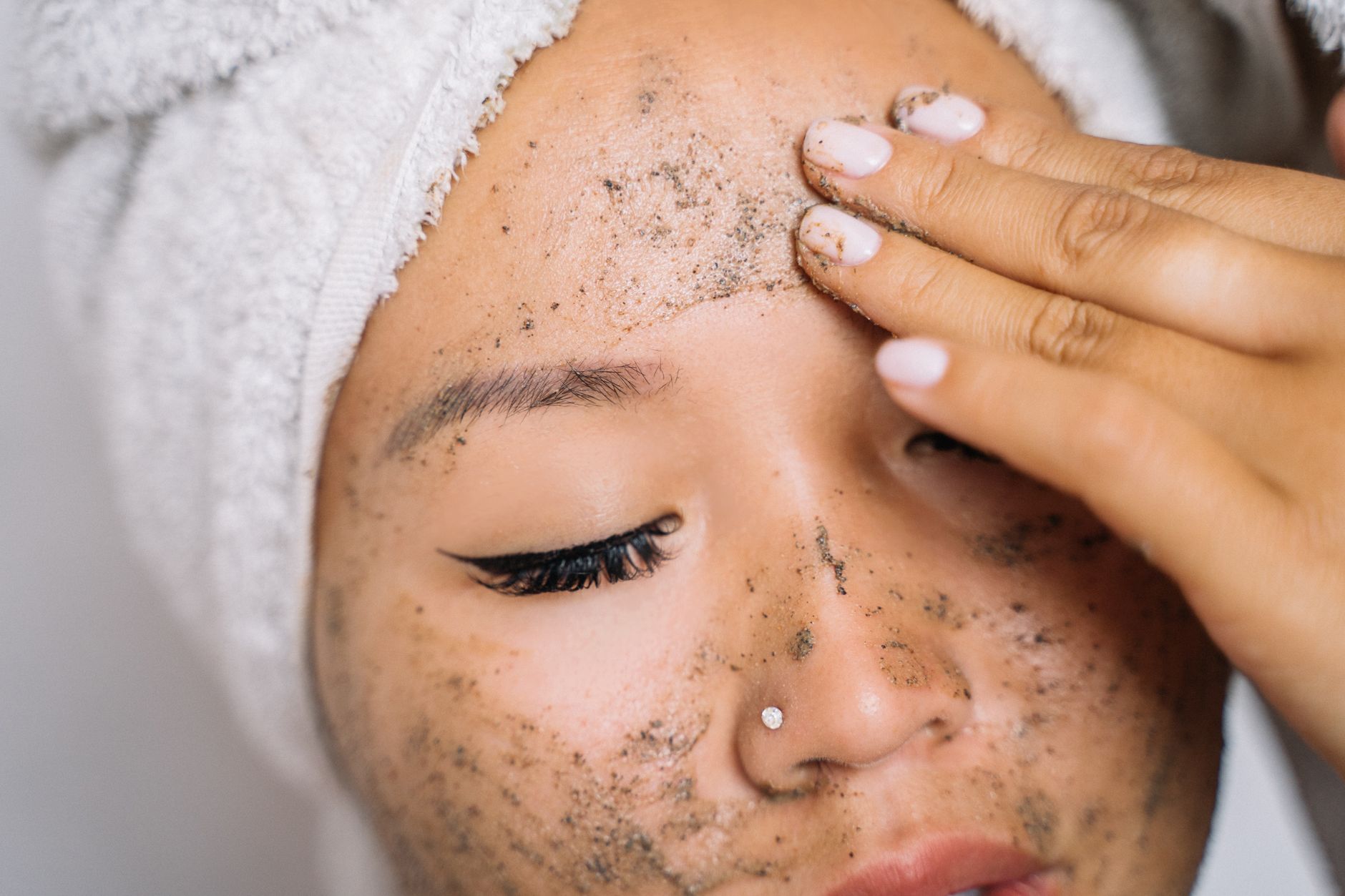
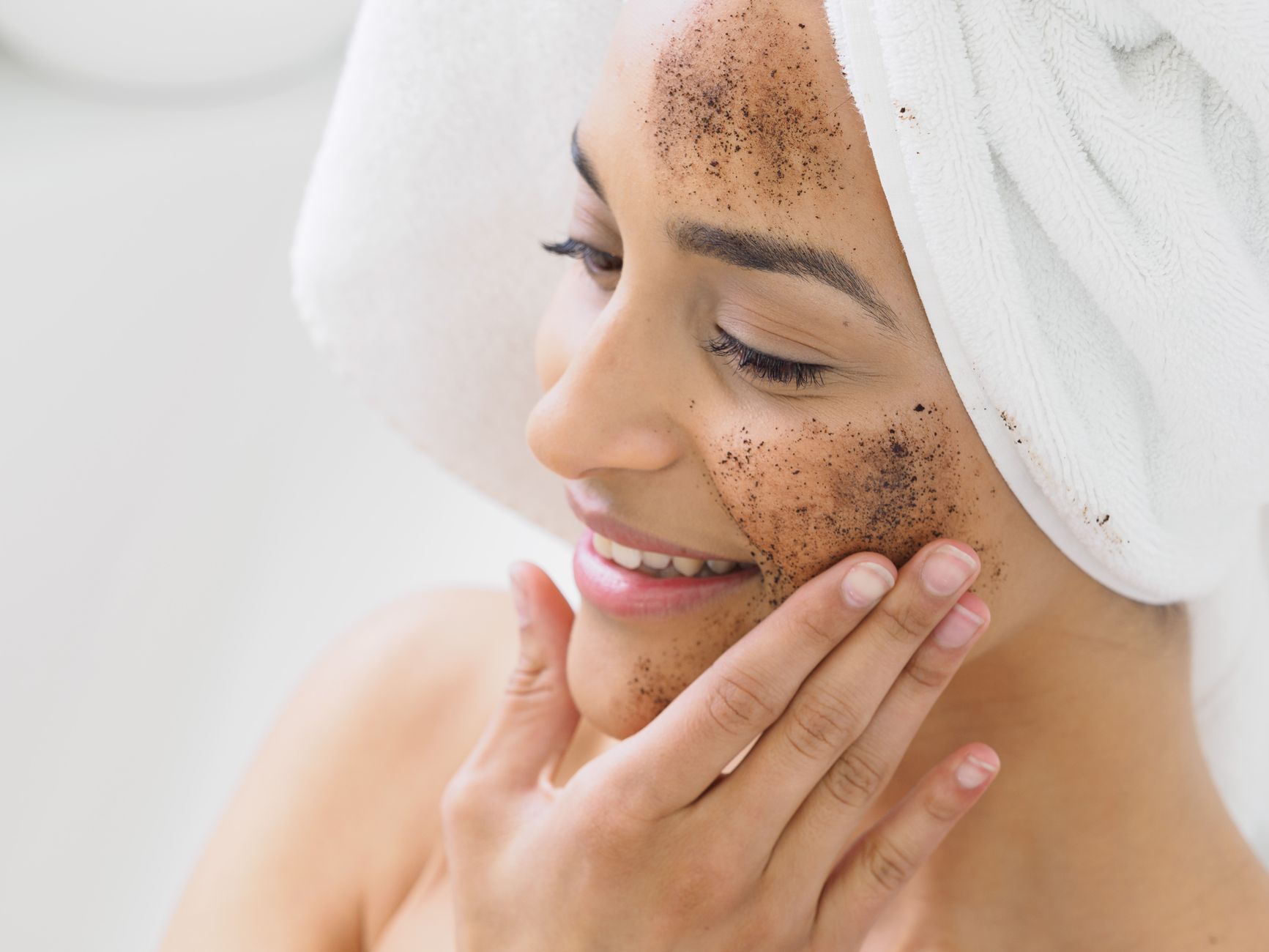
Physical exfoliation, also called mechanical or manual exfoliation, removes dead skin cells using friction. Scrubs with fine particles, soft cleansing brushes, konjac sponges and some professional treatments all fall into this group.
The appeal is instant. You feel and see the difference straight away, and skin looks polished the moment you rinse.
The catch is control. Harsh grains, nut shells and rough cloths can scratch and over-buff delicate areas, so the gentleness of the product really matters.
What is chemical exfoliation?
Chemical exfoliation uses acids or enzymes to gently dissolve the glue that holds dead cells to the skin, so they shed without scrubbing. Despite the name, the right product feels mild and works quietly in the background. The main families are:
- AHAs (glycolic, lactic, mandelic acid) work on the surface, great for dullness, dryness and uneven tone
- BHAs (salicylic acid) are oil-soluble, so they get inside pores and suit oily, congested or breakout-prone skin
- PHAs are larger, slower acids that are kinder to sensitive and reactive skin
- Enzymes from fruits like papaya and pumpkin nibble away dead cells with very little risk of irritation
Because acids work evenly rather than wherever you happen to rub, they often give a more uniform result over time, and pair beautifully with a structured skincare routine.
Chemical vs physical: the honest comparison
Neither method is universally better. Physical exfoliation is fast, tactile and budget-friendly, but it is easy to overdo and can aggravate acne, rosacea and sensitivity if you press too hard.
Chemical exfoliation is more even and customisable, and acids like salicylic actively help with congestion and the look of large pores. The trade-off is that results build gradually and some acids increase sun sensitivity.
The best choice depends on your skin type and goals. For many of our clients, a gentle acid does the heavy lifting while an occasional soft scrub adds polish.
How to choose the right method for you
Use this guide to point yourself in the right direction, then adjust based on how your skin responds:
- Oily or breakout-prone: reach for a BHA such as salicylic acid to clear pores from the inside
- Dull, dry or uneven tone: an AHA like glycolic or lactic acid brightens and smooths beautifully
- Sensitive or reactive: choose a PHA, a mild enzyme, or a very soft physical option used sparingly
- Rough texture or flaky patches: a fine, gentle scrub once a week can complement your acid days
- Not sure: book a professional skin consultation and let an expert assess your barrier first
Whatever you pick, introduce it slowly. Daily exfoliation is rarely the answer, and a damaged barrier undoes the glow you were chasing. 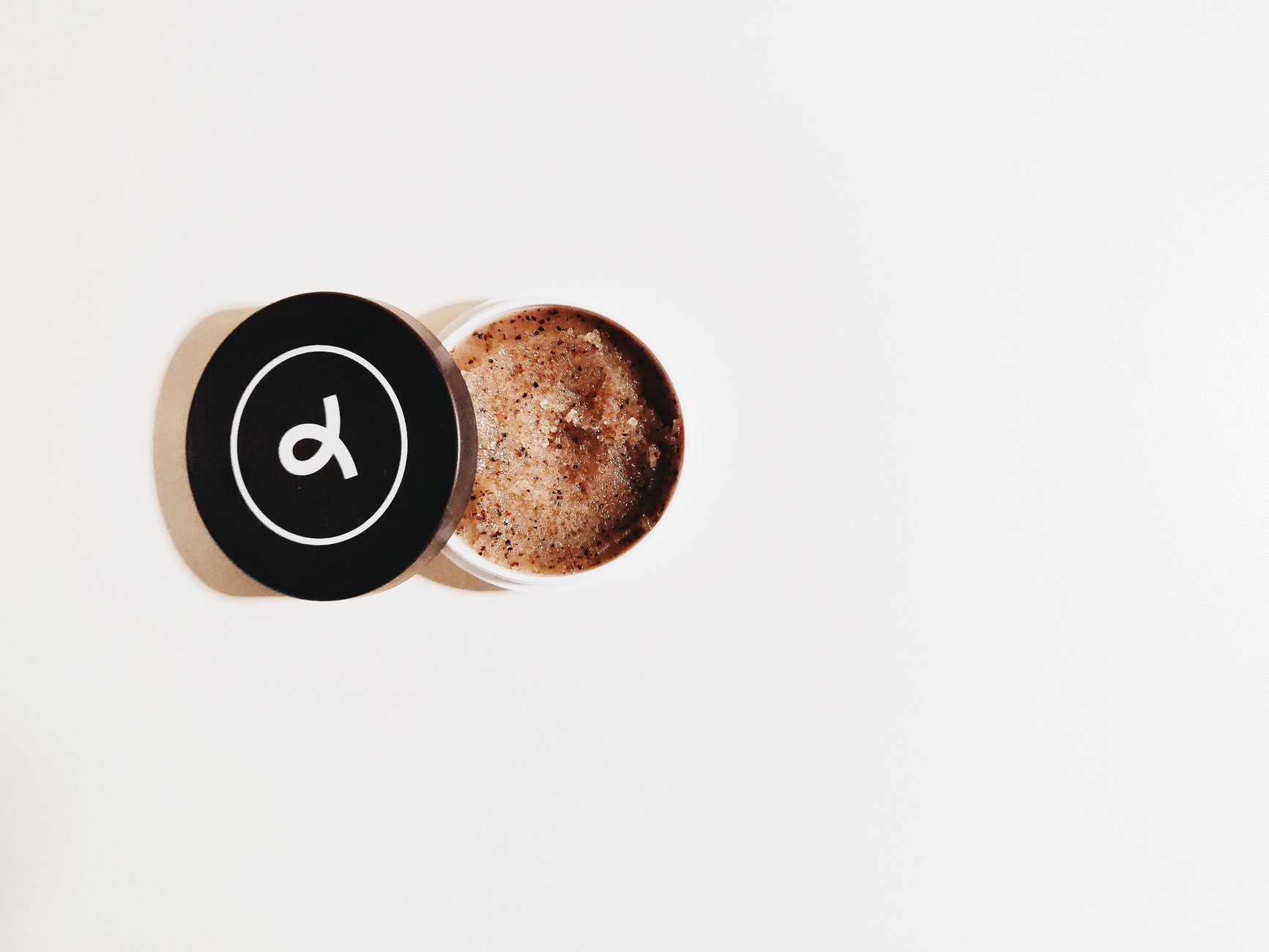
How professional treatments fit in
Home exfoliation is upkeep, but professional treatments are where deeper renewal happens safely, using stronger, controlled methods than anything you would reach for at the bathroom sink.
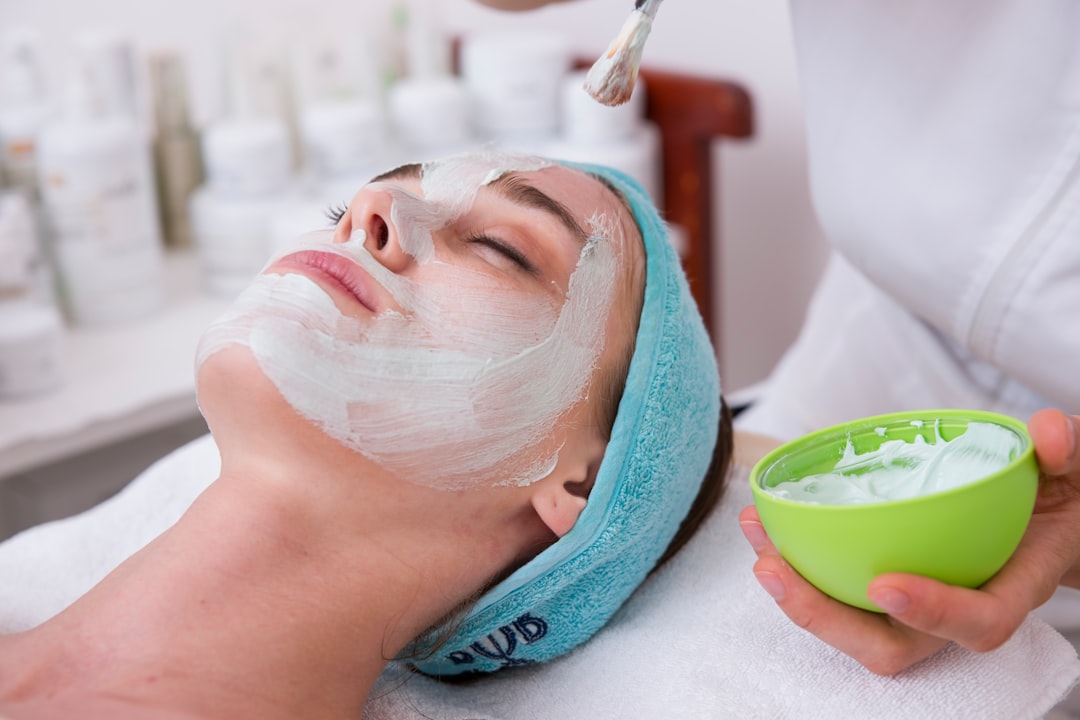
Dermaplaning is a physical option that removes dead skin and fine vellus hair for an instantly smooth finish. A chemical peel takes the acid route further for tone and clarity, and a HydraFacial blends exfoliation with hydration.
Regular facials let a trained eye decide how much exfoliation your skin can handle. You can book a skin consultation online whenever you want a personalised plan.

Exfoliating safely: the non-negotiables
Over-exfoliation is the single most common skincare mistake we see, and it shows up as tightness, stinging, shine, redness and breakouts. More is not better.
Always wear sunscreen daily, because both acids and scrubs leave fresh skin more vulnerable to UV. Keeping cleansing gentle in general protects your results, and the basics of face washing from the American Academy of Dermatology are a solid foundation to build on. 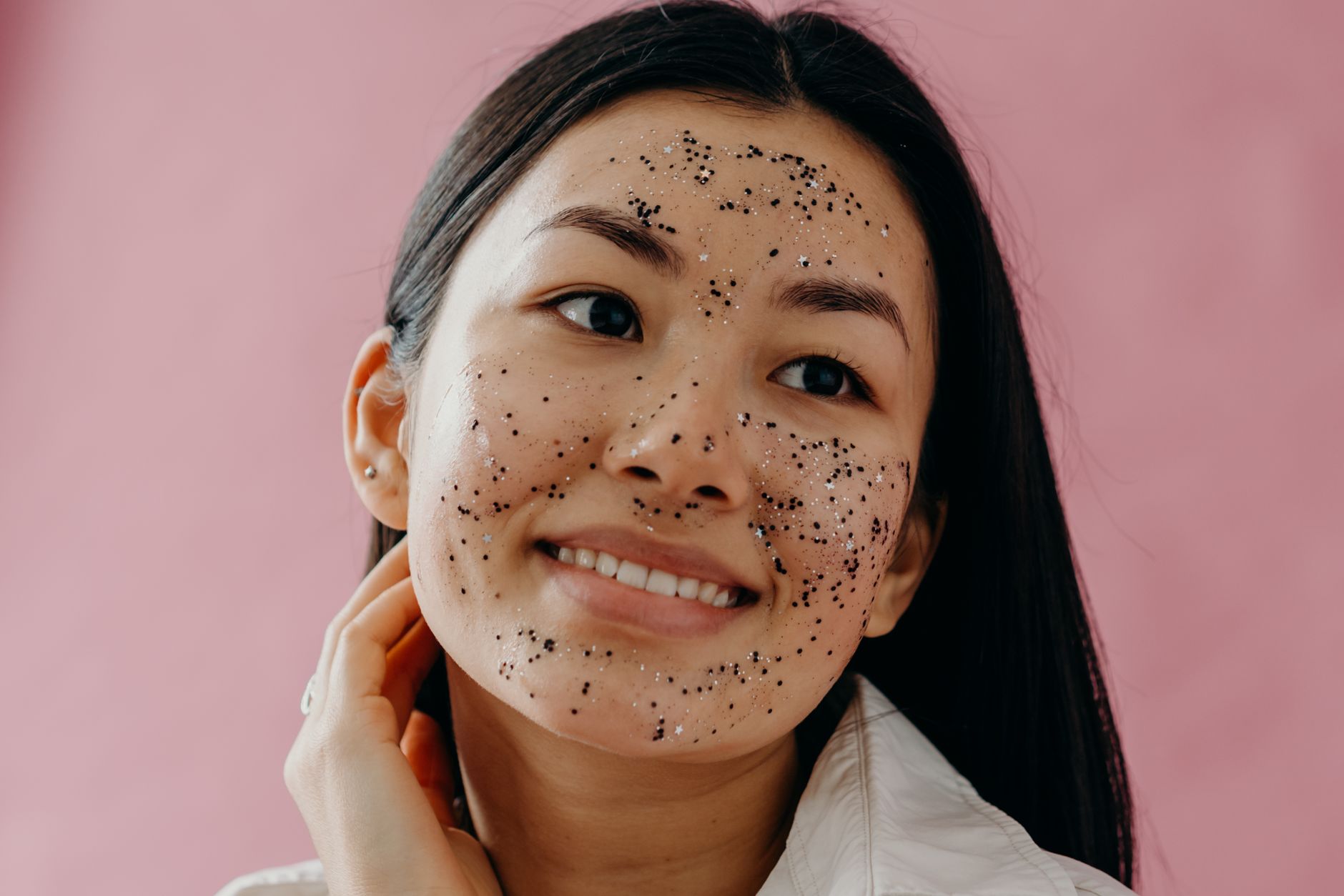
The bottom line
Chemical vs physical exfoliation is not a contest with one winner. Chemical exfoliation tends to be gentler, more even and better for congestion and tone, while physical exfoliation is fast and great for surface polish, used with a light hand.
The smartest routines often use a little of both, spaced sensibly. Explore our skin treatment menu, check pricing on the price list, or visit our Federal Way studio and we will help you exfoliate the right way.
Signs you are over-exfoliating
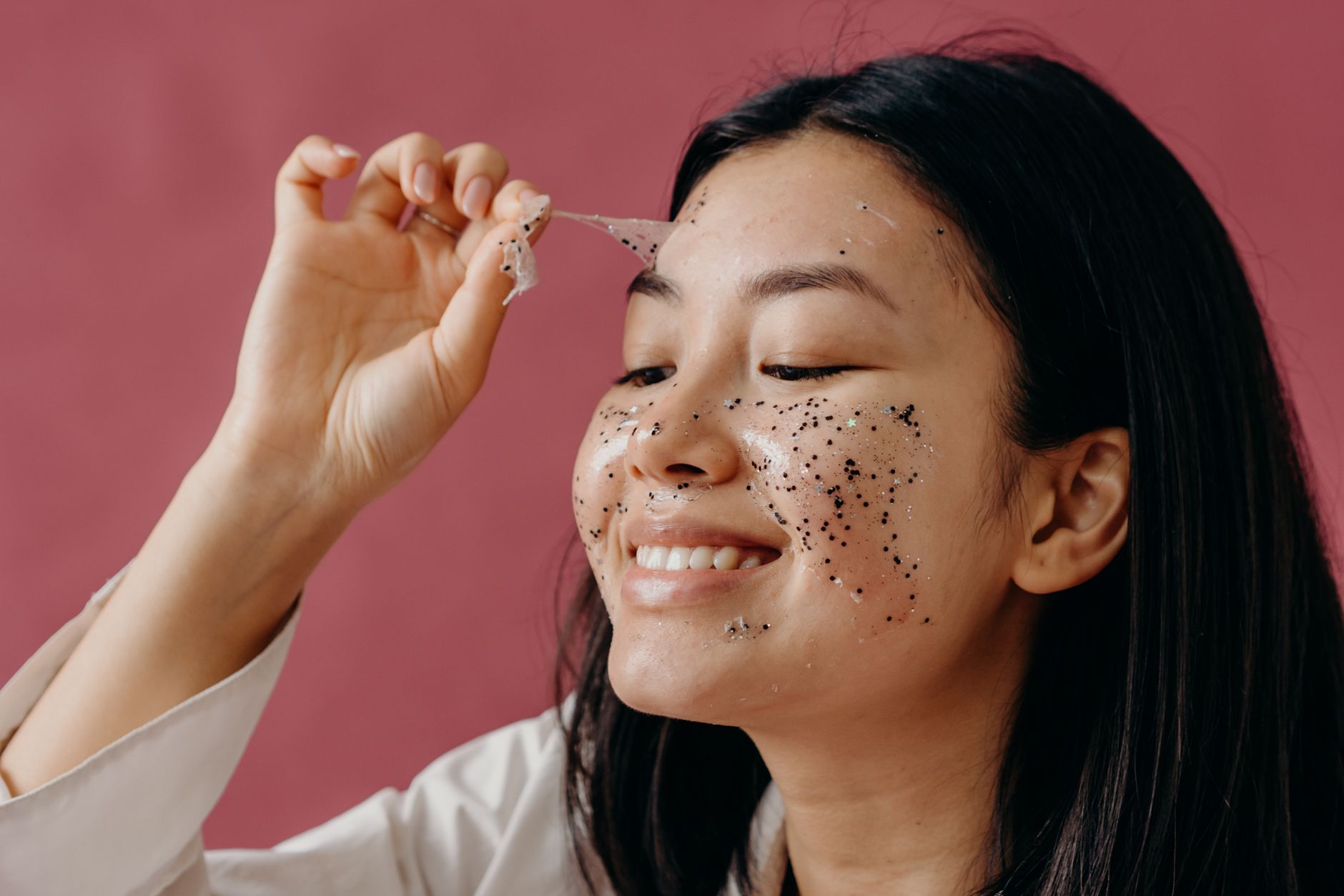
It is surprisingly easy to cross from healthy glow to a stripped, unhappy barrier, especially when a new product feels like it is working. The early warning signs are worth memorising so you can ease off before damage sets in.
Watch for skin that feels tight straight after cleansing, looks unusually shiny or waxy, stings when you apply your usual moisturiser, or flares up with new breakouts and redness. These are classic symptoms of doing too much, too often.
If you notice them, stop all exfoliation for a week or two and focus on barrier repair with a simple, fragrance-free moisturiser and daily sunscreen. Avoid the temptation to scrub away the flakiness, which only deepens the problem.
Once your skin feels calm again, reintroduce exfoliation slowly at half the frequency you were using. If you keep tipping into irritation, our team can assess your barrier in person and reset your skincare routine.
Exfoliation by skin type
Oily and resilient skin usually tolerates exfoliation best, and a salicylic acid a few times a week keeps pores clear and shine in check. These types often benefit from the deeper reach of a BHA over a surface scrub.
Dry skin needs a more careful hand, because removing too much surface too often leaves it rough and flaky rather than smooth. A gentle lactic acid hydrates as it exfoliates, a kinder choice than an aggressive grain scrub.
Combination skin can target different zones, using a BHA on an oily T-zone and a milder acid on drier cheeks. Here, listening to your skin matters more than following one rigid rule for your whole face.
Sensitive and reactive skin should lean on the gentlest options, such as PHAs and fruit enzymes, used sparingly and always patch tested first. If you are unsure which camp you fall into, knowing your skin type is the best place to begin.
Building exfoliation into your weekly routine
The goal is steady renewal without overwhelming your skin, so think in terms of a weekly rhythm rather than a daily habit. For most people two to three sessions a week strikes the right balance between results and recovery.
Exfoliate at night where possible, so skin repairs while you sleep and you are not heading into sun exposure on freshly resurfaced skin. Follow every session with a nourishing moisturiser to replace what the process removes.
If you use a retinoid or strong actives, space them apart from your acids on separate evenings to avoid stacking too much irritation. Mapping out your week helps you see when each step happens and where you might be overloading.
Layer this home rhythm on top of professional care, booking deeper treatments every four to six weeks. You can plan it all with us through our Federal Way studio and keep your glow consistent year round.
Frequently Asked Questions
What is the difference between chemical and physical exfoliation?
Which is better for sensitive skin?
Can I use chemical and physical exfoliation together?
How often should I exfoliate my face?
Do I still need to exfoliate if I get regular facials?
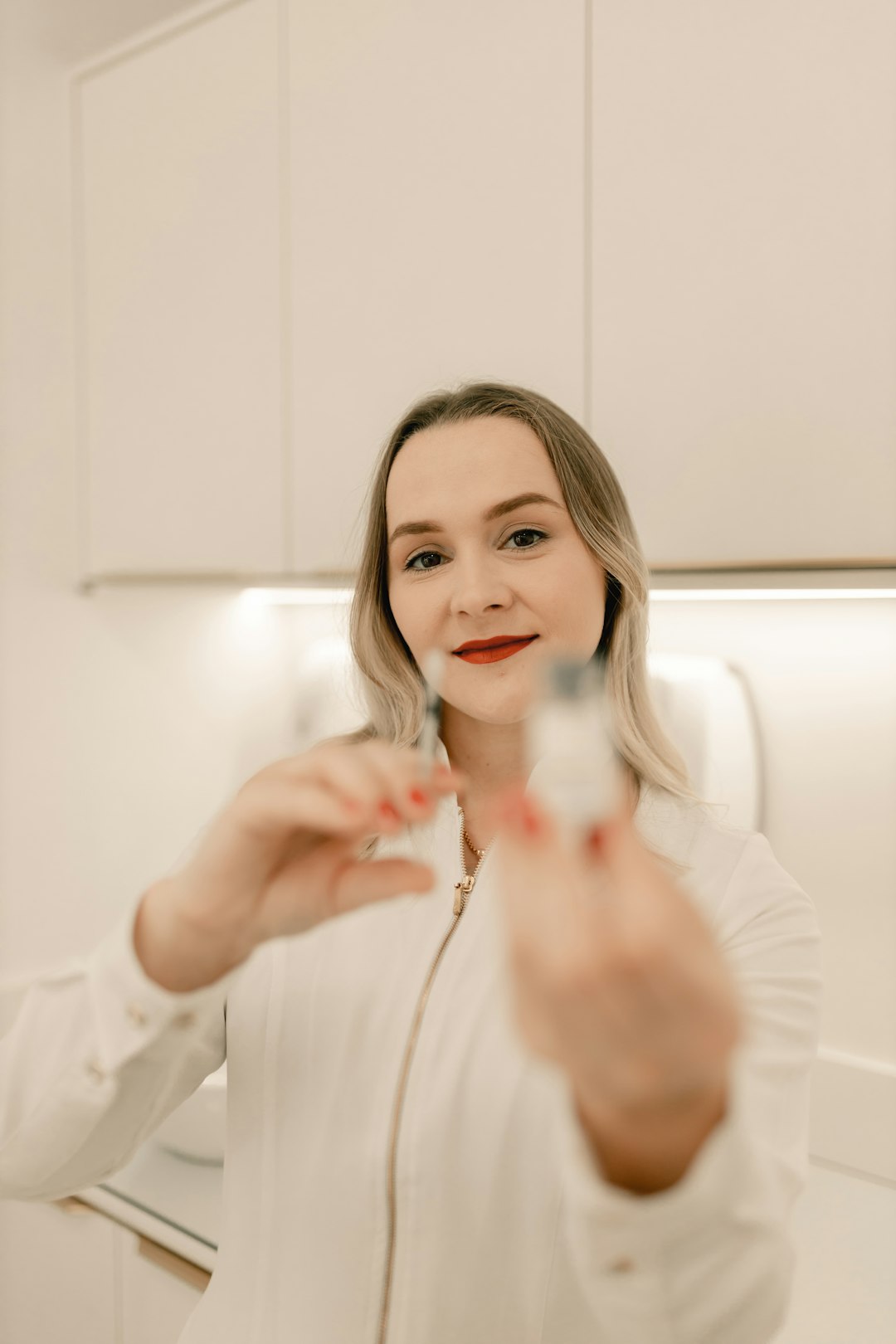
About the Author — Oksana
Oksana is the owner and lead lash artist at Luxury Lashes, a premium beauty studio in Federal Way, WA. She and her team specialize in eyelash extensions, lash lifts, brows, skin, body and nail services, and are committed to safe technique, premium products, and results clients love. Learn more about our studio and team.
Ready for Beautiful Lashes & Brows?
Book your appointment at Luxury Lashes in Federal Way, WA — our team will help you choose the perfect look.
Book Your AppointmentQuestions first? Call us at (206) 451-0363